The transition from winter to spring is usually a time for celebration, but for those of us who spend our lives looking at the underside of cars, it marks the beginning of a much more treacherous time. We call it pothole season. As the ground thaws and the spring rains move in, the asphalt starts to crumble, leaving behind craters that can range from minor annoyances to absolute car killers. It seems like every time you turn a corner lately, there is a new hole waiting to swallow your tire and ruin your afternoon.
At our Broussard auto repair shop, the bays are already filling up with the victims of these road hazards. We see bent rims, shredded sidewalls, and
suspension systems that look like they have been through a war zone. While you cannot always avoid every gap in the pavement, there are several ways you can prepare your vehicle and adjust your driving to survive this bumpy time of year. We want to share some professional insight on how to protect your investment and keep your steering straight when the roads are at their worst.
The Physics of the Impact
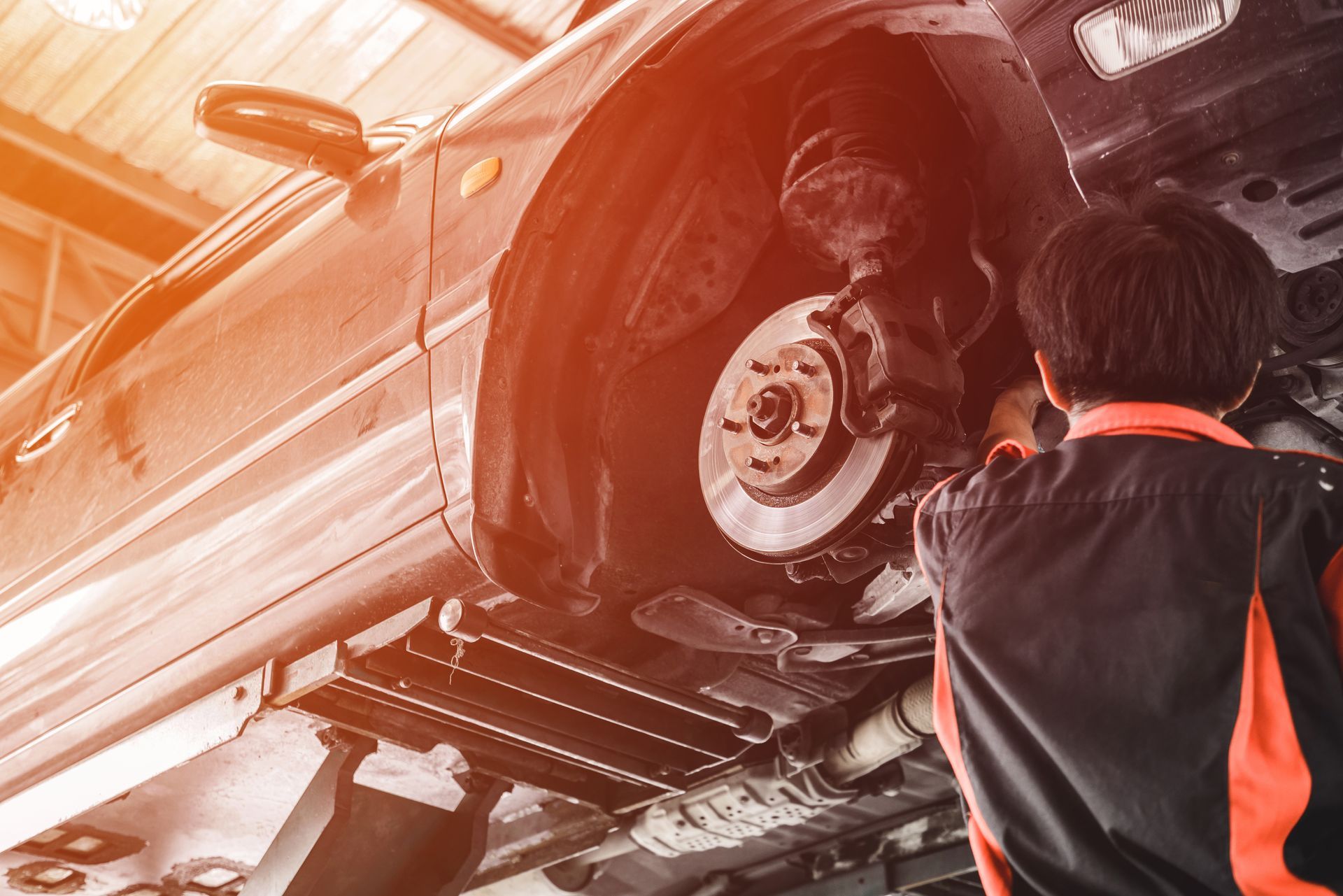
When your tire hits a deep pothole, a massive amount of energy is transferred through the wheel and directly into the heart of your car. Your suspension is designed to handle bumps, but a sharp-edged hole at forty miles per hour is more like a hammer blow than a ripple in the road. This impact can instantly knock your
wheels out of alignment, meaning they are no longer pointing in exactly the same direction. When your alignment is off, your car has to fight against itself to stay in a straight line, which leads to rapid tire wear and a decrease in fuel efficiency.
Tips for Navigating the Roads
The best way to handle a pothole is to avoid it entirely, but since that isn't always an option in heavy traffic, you need a tactical approach to the road.
Keep Your Distance:
If you are tailgating the car in front of you, you won't see the pothole until it is right under your bumper. By staying several car lengths back, you give yourself time to see the hazard and safely steer around it without making a sudden, dangerous swerve.
Watch Out for Puddles:
A harmless looking puddle could be hiding a six inch deep crater. Water filled holes are the most dangerous because you have no way of knowing how deep they go until you feel the thud. Try to avoid standing water whenever it is safe to do so.
Check Your Tire Pressure:
Under-inflated tires are much more likely to suffer a blowout or allow a rim to get bent when hitting a hole. The air inside your tire acts as a cushion. If that cushion is soft, the metal rim will strike the edge of the pavement, causing permanent damage to the wheel.
Don't Brake During the Hit: This is the most important tip we can give you. If you see a pothole you cannot avoid, slow down as much as possible before you reach it, but release the brake pedal right before you make contact. When you brake, the nose of your car dives down, and the suspension compresses, leaving no room for the springs to absorb the impact. Letting off the brake allows the wheel to roll over the hole with much less violence.
Identifying the Aftermath
Even if you didn't hear a loud pop or feel a massive jolt, your car might still be suffering from a run-in with a pothole. You should be on the lookout for a few key warning signs over the next several days. If your steering wheel is no longer centered when you are driving straight, or if the car feels like it is constantly pulling to one side, your alignment is definitely compromised.
You should also keep an eye out for any new vibrations in the steering wheel or the seat. This often indicates that a wheel weight was knocked off or the rim itself is slightly bent. Another hidden danger is a bubble or bulge in the sidewall of your tire. This is a sign that the internal structure of the tire has failed, and a blowout is likely in your near future.
The Importance of a Professional Checkup
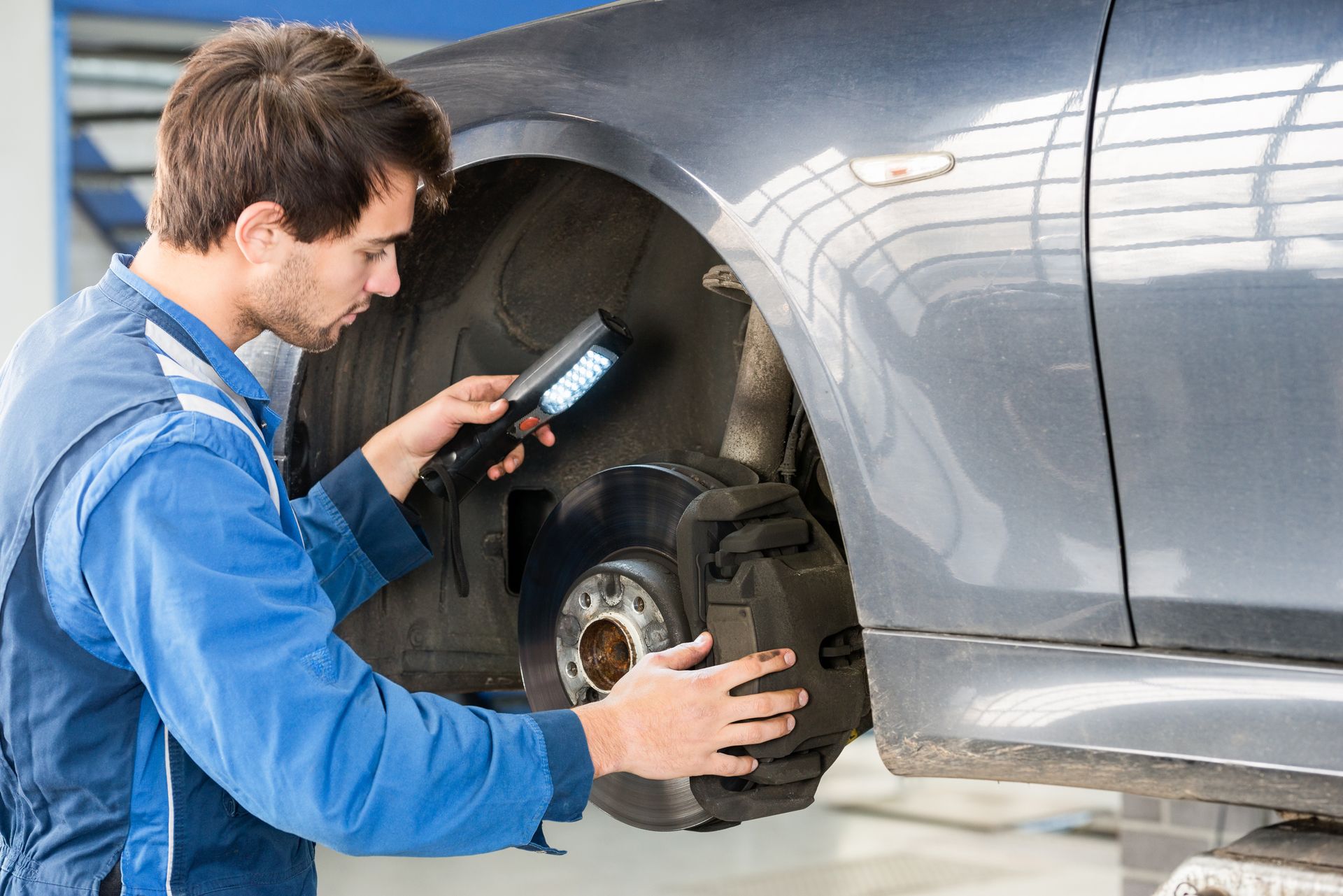
Many pothole injuries are invisible from the outside. A hit can tear a rubber bushing in your control arm or cause a strut to start leaking fluid. If these issues are ignored, they will lead to much more expensive repairs down the road. Replacing a tire is one thing, but replacing an entire suspension assembly because a small problem was left to fester is a much bigger hit to the wallet.
Let MidSouth Auto Care Help You Stay Steady
We know how frustrating it is to feel that bone-jarring thud while you are just trying to get to work. Our team is here to help you navigate pothole season with as little stress as possible. We offer precision alignments and suspension inspections to make sure your car survived the winter roads intact. We can check your tire health, balance your wheels, and ensure that your steering is as responsive as it should be.
Do not let a bad road ruin your spring. If you have hit a significant hole recently or if your car just doesn't feel right on the highway, bring it by the shop today. We will give your vehicle a thorough professional evaluation and get you back on the road with total confidence. Give us a call or visit
MidSouth Auto Care to schedule a safety check.