A strange smell from your car can be harder to explain than a noise. You know something is off, but it may only happen after a drive, when the A/C turns on, or while sitting in traffic. By the time you get home, the smell might already be gone.
That does not mean you imagined it. Smells can be early clues from fluids, belts, brakes, exhaust, electrical parts, or the A/C system. Some are minor. Some need fast attention. The type of smell, where it comes from, and when it happens can help point the inspection in the right direction.
Burning Oil Smell
A burning oil smell is usually sharp and hot, especially after driving. It can happen when oil leaks onto the exhaust manifold, engine block, or another heated part. A small leak may not leave a big spot under the car, but it can still smell strong once the engine warms up.
Valve cover gaskets, oil filter housings, drain plugs, and other seals can seep over time. Low oil can also create engine noise or extra heat, depending on the situation. If you smell burning oil more than once, check the oil level and trace the leak before it gets worse.
Sweet Coolant Smell
Coolant often has a sweet smell. If you notice it after parking, under the hood, or through the vents, the cooling system may have a leak. Coolant can escape from hoses, the radiator, water pump, thermostat housing, reservoir, heater core, or cap.
A small coolant leak can dry on hot parts, leaving crusty residue rather than a puddle. That makes it easy to miss. Low coolant can lead to overheating, so a sweet smell should be taken seriously. Topping off the reservoir may help for the moment, but the real question is why the level dropped.
Burning Rubber Smell
Burning rubber can come from a slipping belt, a hose touching a hot surface, or something stuck near the exhaust. The smell may get stronger when the engine is running, especially if a belt is loose, worn, or contaminated with fluid.
Belts drive important parts like the alternator, A/C compressor, water pump (on some vehicles), and the power steering pump (on older systems). If a belt is slipping, you may also hear squealing or see warning lights. Regular maintenance helps catch cracked belts, weak tensioners, and worn hoses before heat turns them into a roadside problem.
Hot Brake Smell
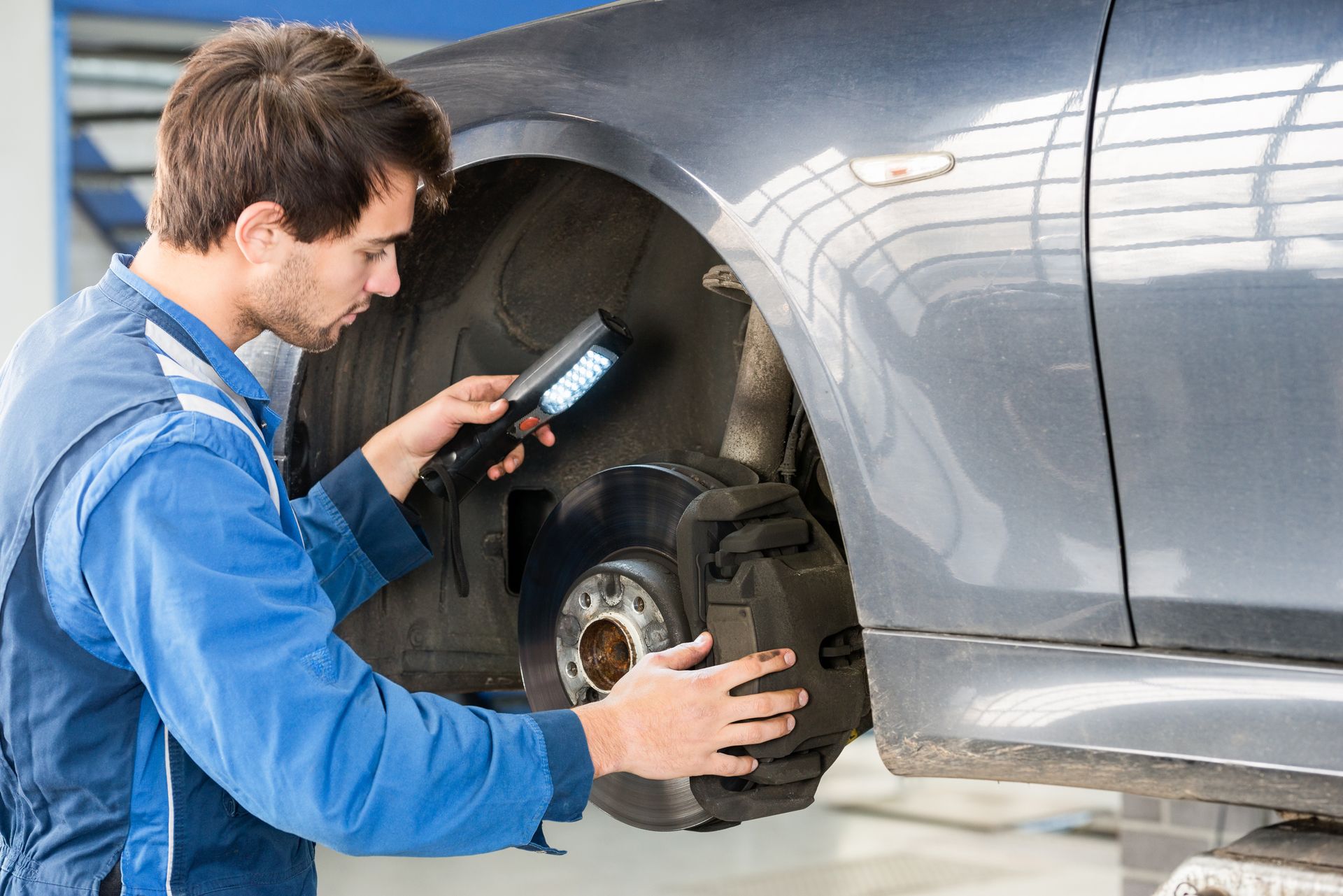
A hot brake smell can be rough, smoky, or similar to burning friction material. It may show up after downhill driving, heavy braking, or stop-and-go traffic. That can be normal for a short time after hard use, but a strong smell during everyday driving needs attention.
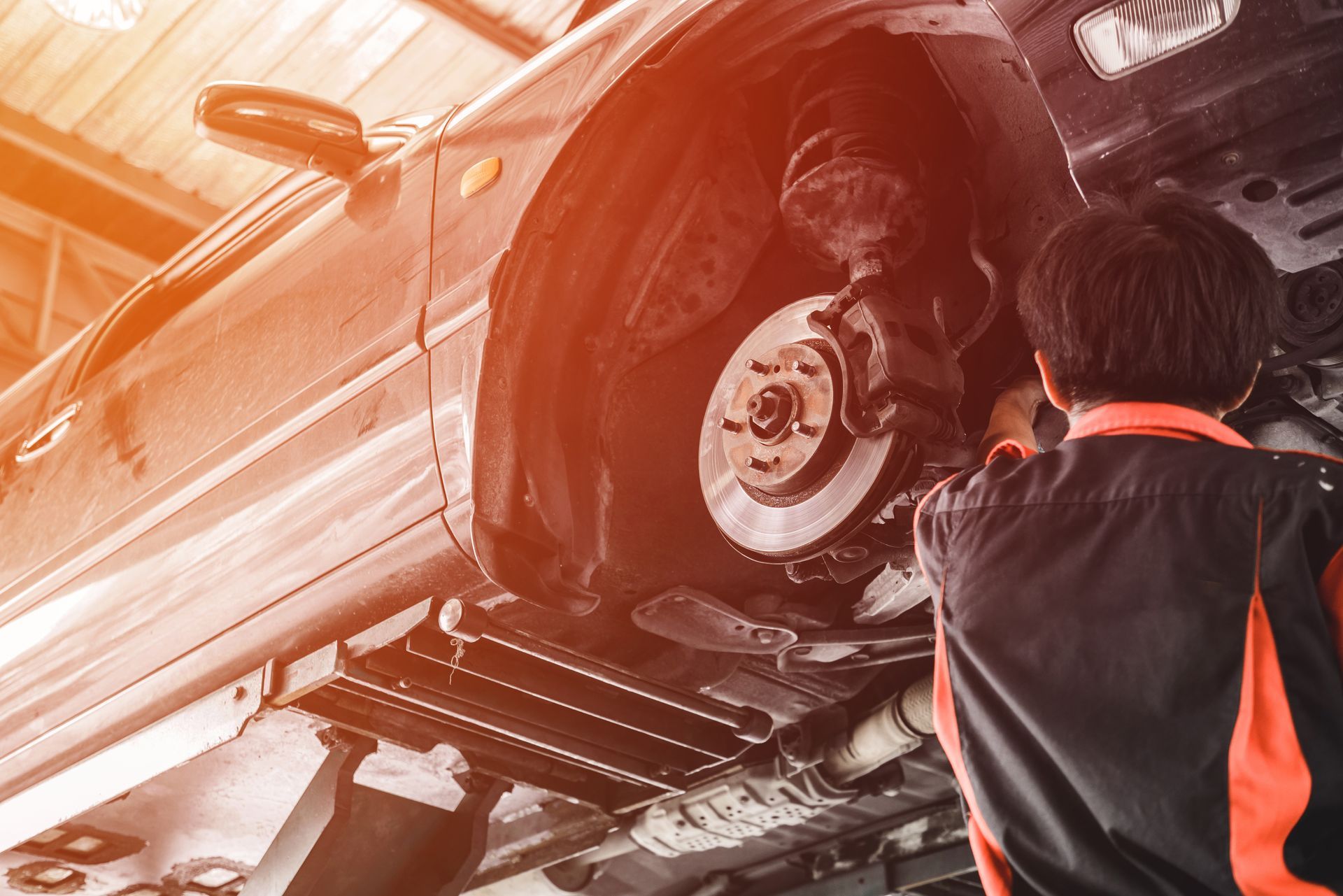
A sticking caliper, dragging parking brake, collapsed brake hose, or seized hardware can keep one brake applied more than it should. That creates heat and can damage pads, rotors, fluid, and wheel bearings. If one wheel smells hot or has much more brake dust than the others, the brake system should be checked soon.
Fuel Smell
A fuel smell is not one to ignore. It can come from a leaking fuel line, injector seal, fuel tank area, evaporative emissions part, or loose gas cap. Sometimes the smell is strongest after filling up. Other times, it appears near the engine after startup.
Raw fuel vapors are a safety concern and can also indicate a problem affecting fuel economy or emissions. If the smell is strong, avoid driving more than necessary until the vehicle is checked. A technician can look for leaks, pressure issues, and evaporative system faults.
Rotten Egg Or Sulfur Smell
A rotten egg smell often points toward exhaust or catalytic converter concerns.
The catalytic converter helps clean up exhaust gases, and when something is wrong, sulfur-like odors can become noticeable.
The converter itself may not be the original cause. Engine misfires, rich fuel mixture, sensor problems, or poor combustion can overload the exhaust system. If the smell comes with poor power, a check engine light, or rough running, the engine and exhaust system need a diagnostic before expensive parts are blamed too quickly.
Musty Smell From The Vents
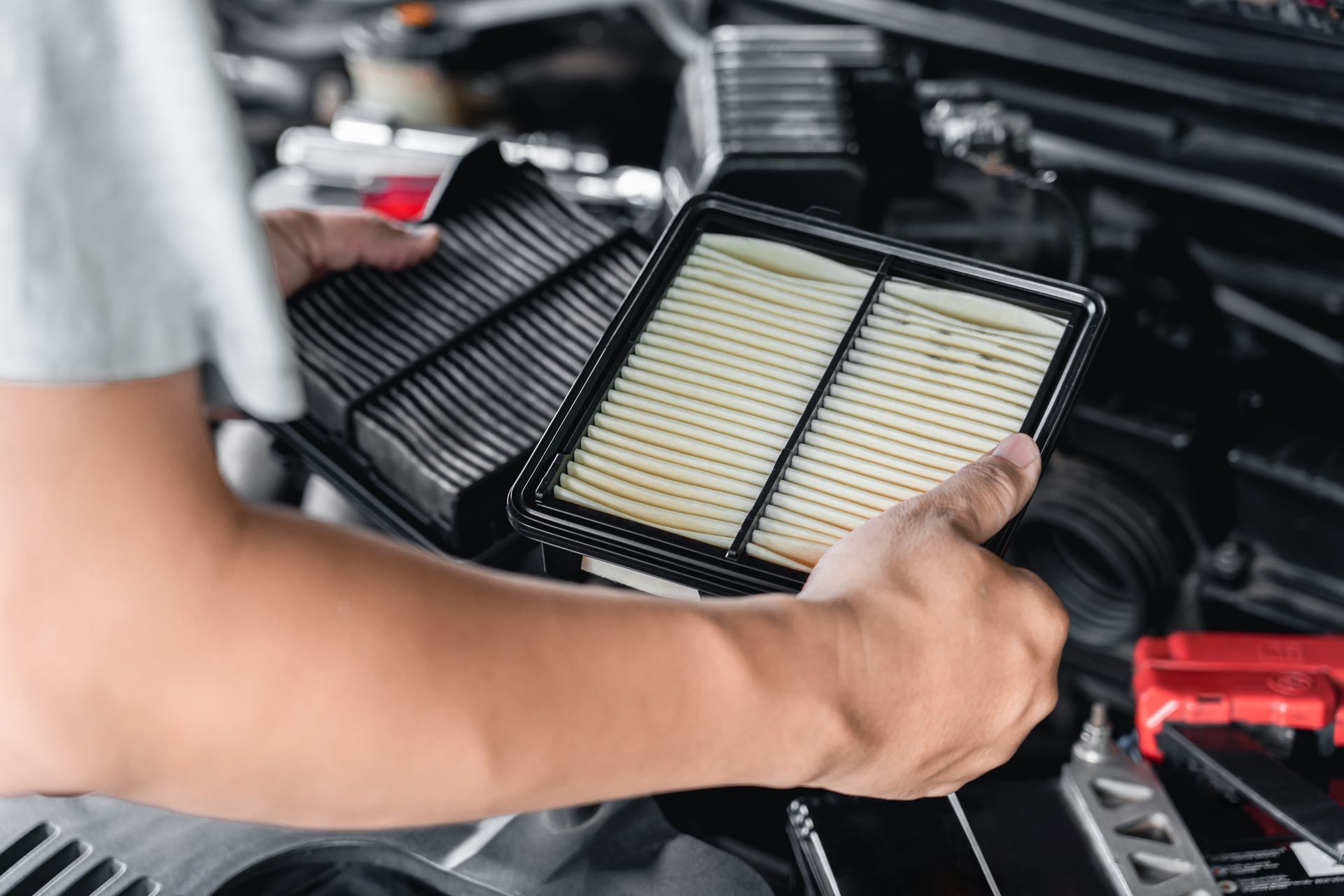
A musty smell when you turn on the A/C or heat often comes from moisture, debris, or a dirty cabin air filter. The evaporator inside the HVAC system collects condensation, and that damp area can hold odor if airflow or drainage is poor.
A cabin air filter clogged with dust, leaves, and pollen can worsen the smell and reduce airflow. The A/C may still cool, but the cabin air does not feel fresh. A filter check, drain check, and A/C service can usually narrow down where the odor is coming from.
Get Car Smell Diagnostics In Broussard, LA, With MidSouth Auto Care
If your car smells like burning oil, coolant, fuel, hot brakes, rubber, exhaust, or mildew,
MidSouth Auto Care in Broussard, LA, can inspect the vehicle and find the source.
For strange car smell diagnostics and a clear inspection before the problem grows,
contact us to schedule an appointment.