An SUV should feel stable enough to hold its lane without constant steering corrections. When it begins bouncing after dips, drifting across the lane, or reacting strongly to crosswinds, the change can make highway driving tiring and uncomfortable.
The problem may come from worn shocks, tire concerns, loose steering parts, incorrect alignment, or suspension components that no longer keep the body and wheels controlled. Because several systems affect highway stability, the vehicle needs more than a quick tire check to identify the cause.
Worn Shocks Or Struts Allow Repeated Bouncing
Shocks and struts control how quickly the suspension moves after the tires encounter a bump. When they weaken, the springs can continue compressing and rebounding several times. The SUV may rise and fall after a dip instead of settling after one controlled movement.
Weak dampers also make it harder for the tires to maintain consistent contact with the pavement. On the highway, that can create a floating feeling, delayed steering response, and extra movement during lane changes. Fluid leaking from a shock or strut is a useful clue, but internal wear can exist without visible leakage.
Tire Pressure And Wear Affect Highway Stability
SUV tires carry substantial weight and rely on correct pressure to keep their shape. Underinflation allows the sidewalls to flex more, making steering feel delayed and causing the vehicle to wander. Excessive pressure can make the ride harsh and reduce the tire’s ability to absorb uneven pavement.
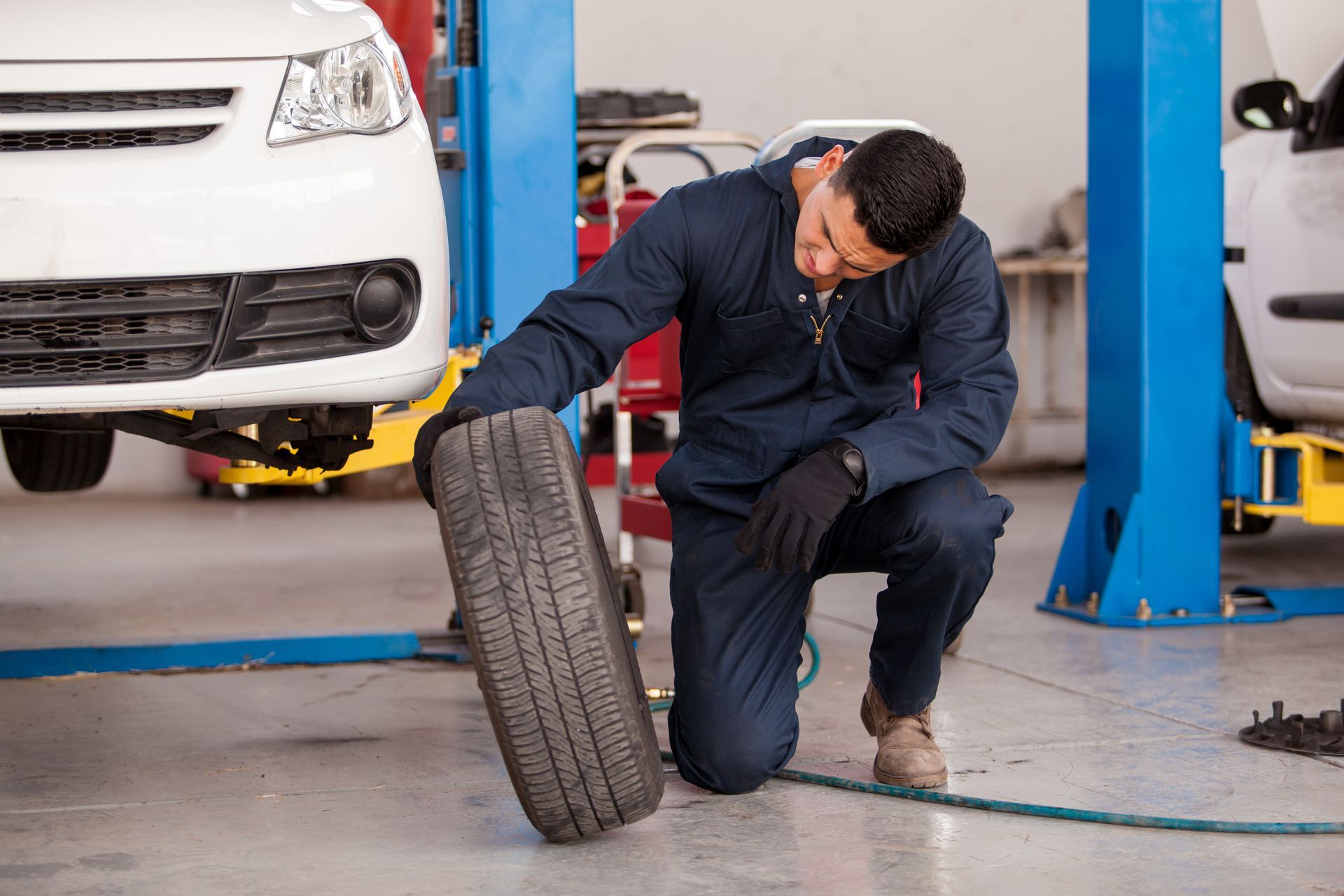
Uneven tread creates additional problems. Cupping, worn shoulders, internal belt damage, or mismatched tires can cause vibration and unpredictable steering feedback. All four tires should be checked for pressure, tread depth, age, size, and visible damage rather than focusing only on the tire that appears most worn.
Loose Steering Parts Make The SUV Wander
Tie rods, ball joints, steering rack mounts, and related joints transfer steering input to the wheels. As these components develop clearance, the steering wheel may move slightly before the tires respond. The SUV can begin drifting and require frequent corrections to stay centered.
Loose parts may also create clunking over bumps or during turns. The steering can feel less precise when the road surface changes or a large truck passes nearby. An alignment cannot correct looseness, so worn joints must be found and repaired before the wheel angles are adjusted.
Wheel Alignment Can Make The Vehicle Feel Unsettled
Toe, camber, and caster affect how the tires contact the pavement and how the steering returns after a turn. When these angles move outside specification, the SUV may pull, follow road grooves, or feel nervous at higher speeds.
Potholes, curb impacts, suspension wear, and changes in ride height can alter alignment. Uneven tire wear is often another clue. Proper alignment should follow a suspension and steering inspection so the settings remain accurate after the vehicle leaves the shop.
Worn Bushings Allow Too Much Wheel Movement
Control arm, sway bar, and subframe bushings use rubber to limit movement while absorbing vibration. As the rubber cracks, softens, or separates, suspension parts can shift farther during braking, acceleration, and cornering.
This movement may feel like loose steering even when the steering system itself is in good condition. The body may lean more, the SUV may change direction slightly when the accelerator is released, or a clunk may appear during sudden load changes. Worn bushings can also make alignment readings change while the vehicle is moving.
Springs And Ride Height Can Affect Control
Coil springs and leaf springs support the vehicle’s weight and establish ride height. A broken, sagging, or weakened spring can leave one corner sitting lower and reduce the suspension travel available over bumps.
Incorrect ride height changes wheel alignment and can cause shocks to operate outside their intended range. SUVs carrying tools, cargo, towing equipment, or heavy accessories may need special attention because added weight can expose weak springs and overload the rear suspension.
Warning Signs That Deserve Prompt Attention
Highway handling problems may begin mildly, but they can become much more noticeable during emergency braking or a sudden lane change. Pay attention to changes such as:
- The SUV continues bouncing after a dip.
- The steering requires frequent correction.
- The body leans heavily during lane changes.
- The vehicle pulls or follows grooves in the road.
- The tires show cupping or uneven edge wear.
- A clunk appears during braking or acceleration.
- The steering wheel vibrates at highway speed.
- One corner of the vehicle sits lower than the others.
Reduce speed and avoid highway driving if the steering has obvious looseness, the vehicle changes direction unexpectedly, or a tire has a bulge or exposed cords. These conditions can affect your ability to respond quickly in traffic.
How Technicians Find The Cause
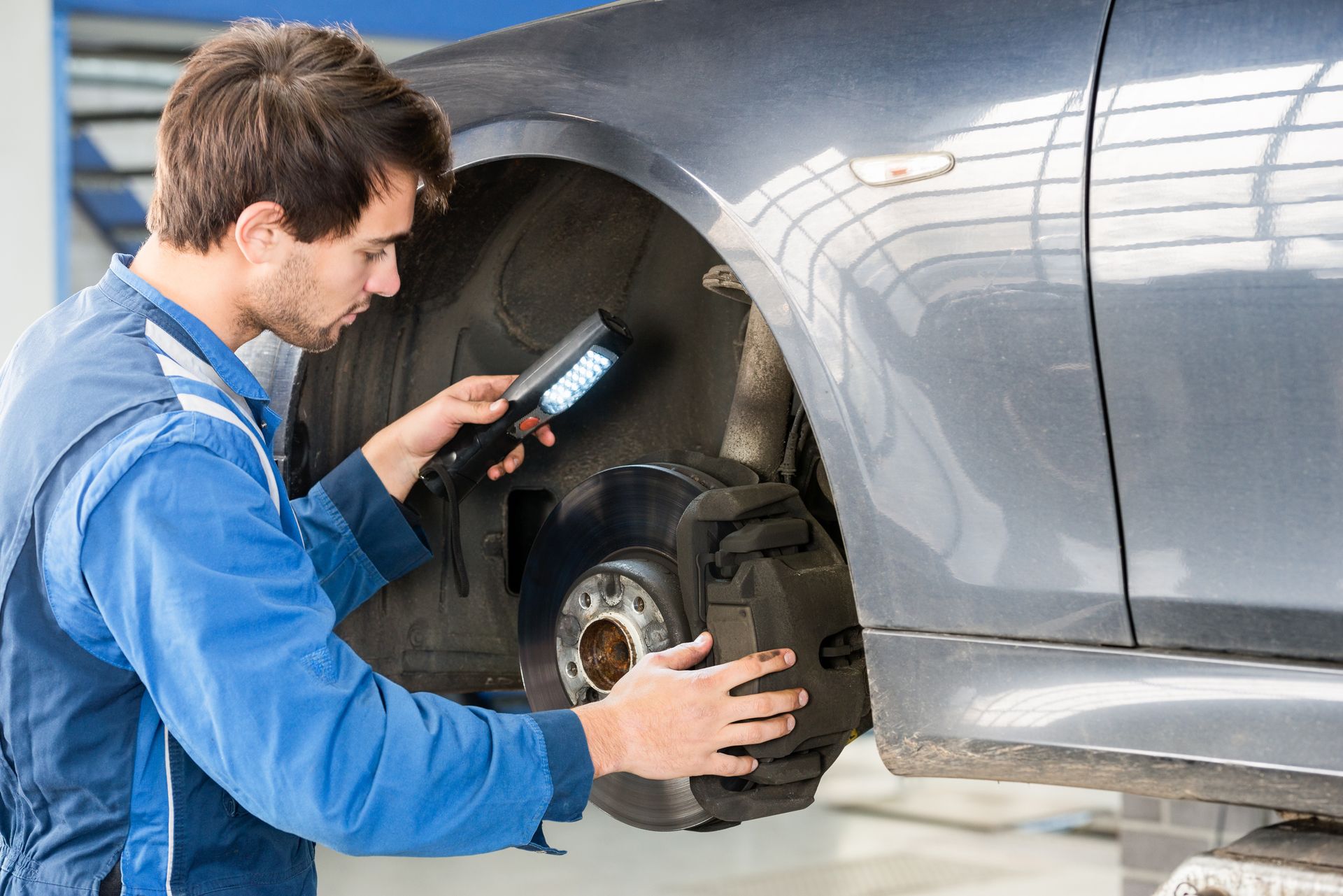
Diagnosis usually begins with a road test to confirm whether the SUV bounces, wanders, pulls, or vibrates. The technician can then check tire condition, pressure, wheel balance, ride height, steering movement, shocks, struts, springs, bushings, bearings, and alignment angles.
Regular maintenance helps reveal tire wear and developing suspension movement before highway control changes significantly. Testing the systems together prevents a tire from being blamed for a worn strut or an alignment from being performed while a loose steering joint remains.
Get SUV Suspension And Steering Repair In Broussard, LA, With MidSouth Auto Care
If your SUV feels bouncy, wanders on the highway, or has become harder to steer,
MidSouth Auto Care in Broussard, LA, can evaluate the tires, shocks, struts, springs, bushings, steering parts, bearings, and alignment.
Contact us to schedule an appointment before reduced stability affects tire life or highway safety.